The practice of wholeness. A living, breathing current of synthesized mysticism — woven from many traditions and named anew.
They did not suppress religion.
They suppressed your power.
Across every continent, across every culture, the story is the same. The sacred groves were cut down. The ceremonies were outlawed. The elders were silenced. Indigenous spiritual traditions — Native American, Polynesian, Zapotec, Druidic, African, Aboriginal — were not simply displaced. They were deliberately destroyed, because they shared one dangerous truth: the divine is not outside of you. It lives within you, within nature, within your ancestors, within the land beneath your feet.
That truth was a threat. A person who knows they carry the sacred within them cannot be controlled in the same way. So the suppression was not primarily theological — it was political. Strip a people of their sacred relationship to themselves and to the earth, and you strip them of their self-authority.
"Any tradition that said 'the divine lives in you, in nature, in your ancestors, in this land' was a direct threat to any institution that claimed to be the only path to it."
That is the wound Haligricity was built to heal.
Haligricity is the work of reconnection. It is the practice of returning — to the sacred traditions that were taken, to the inner authority that was suppressed, and to the understanding that your body, mind, and spirit are not separate from the divine. They are the access point to it. The purer we become — in what we consume, what we believe, how we care for ourselves, how we move through the world — the more clearly that divinity can move through us.
This is not a passive pursuit. Every act of self-care is a reclamation. Every ceremony honored is perseverance. Every time you choose to listen inward rather than look outward for permission, you are raising the frequency — not just for yourself, but for the planet. We are not separate from the earth's healing. We are the mechanism of it.
The sacred was never lost. It was waiting — for you to remember that you were always the vessel.
Nine layered roots. Each one was chosen deliberately —
together they tell you what Haligricity actually is.
Helios is the Greek word for Sun — the visible source of light, life, and warmth. In ancient cosmology, Helios drove the sun-chariot across the sky each day, and the name became shorthand for radiant, life-giving presence. The Heliopolitan philosophy (named for the Egyptian city of Heliopolis, "City of the Sun") wove the Sun into the daily cycle of breath, prayer, and renewal.
This is one of the threads in Haligricity — the recognition that light is not separate from us. We are warmed by it, fed by it, and we carry a version of it inside our own field.
Every part of a hologram contains the information of the whole. Cut a holographic plate in half and you do not get two halves — you get two whole images at lower resolution. This is the organizing principle of Haligricity: each practice, each belief, each person reflects the whole.
You are not a fragment trying to become complete. You are a fractal of the infinite — already carrying the pattern of the whole within you. The work is not to assemble yourself. The work is to tune what is already there.
The sound Hala reaches in three directions at once:
The phoneme Hala binds these together — the visible light, the cyclical motion, the moral cleanliness — all in one syllable.
The word holy comes from Old English hālig, from Proto-Germanic *hailagaz — itself from *hailaz, meaning whole, uninjured, of good omen. That same root gave us the words whole and heal.
So at its core: holy = whole = healed. Not set apart in a distant, untouchable sense — but intact. Complete. Nothing missing. The Proto-Indo-European root *kailo- also flows into Old Norse heilagr, Old High German heilag, and Gothic hails — all meaning health, wholeness, being sound.
The idea of "sacred" or "consecrated to God" came later, as the Christian church narrowed the word. The original charge of the word was simply: that which is whole cannot be broken. That which is whole is already in right relationship with life.
Hali Sarah Parsons recognized that her own name was already embedded in the word. This is fitting and intentional: the founder's philosophy and the founder's identity cannot be separated. Haligricity is a lived system, not an abstracted one — it was developed by a person living it, refined through her body and her years, and offered from that same embodied place.
When you say "Haligric," you are naming a practice. You are also naming the practitioner who first walked it.
In the Ge'ez and Amharic languages of Ethiopia — the liturgical tongue of the Ethiopian Orthodox Church and the living language of the Rastafari tradition — Haile (pronounced Hally) means Power.
His Imperial Majesty Haile Selassie I — born Tafari Makonnen — took his throne name from this word: Haile Selassie means "Power of the Trinity." In Rastafari theology, Haile Selassie is revered as the returned Christ, the Lion of Judah, the living embodiment of divine power on Earth. The name Haile therefore carries not just linguistic but deeply sacred weight across the African diaspora.
Read through this lens, Haligricity is literally Power-Gricity: the electricity of power, the current of wholeness made active. The Rastafari thread woven through the name honors the African spiritual lineage that reminds us divine power is not distant or abstract — it walks on Earth, it speaks in language, and it lives in the body.
Jah lives.
The suffix -icity descends from the Latin -itas (quality, state of being) fused with the Greek -ikos (pertaining to). It appears in words like electricity, authenticity, elasticity — all pointing to a fundamental quality or living force inherent in something.
Electricity itself comes from the Greek ēlektron (amber), because rubbing amber produced a visible spark — the first recorded observation of static charge. Early natural philosophers understood electrical current as a living force moving through matter: invisible, but undeniably real, felt before it was measured.
Haligricity borrows this suffix deliberately. The name does not describe a static belief system — it names a current: the living force that moves through a whole, unbroken, healed body. You are not practicing Haligricity. You are conducting it.
An -ism is a closed system: a doctrine you follow, a set of rules that keep people in line, a belief structure that asks for loyalty. We deliberately did not use that suffix.
A city is something else entirely: a place where everyone is welcome. The suffix -gricity signals radical inclusion. There is no membership requirement. There is no worthiness test. The city has room for all who choose to live here.
Our synthesis is as free as all things are in their true nature. The only systems that exist naturally are the structures that mathematically hold everything together — the golden ratio, fractal geometry, the cycles of the body and the sky. There is a foundation everyone needs, but that foundation tunes and changes over time as we tune into ourselves — using our emotional code and the heart's bio-field, which stretches roughly ten times wider than the brain's. This is the heart–mind coherence that Joe Dispenza and Gregg Braden both point to.
We all know creating a routine is healthy. We are wired to work best and most efficiently with one — especially when it supports our basic needs: sleep, exercise, healthy meals tied to the seasons. A routine that fits the body's nature is not a cage. It is the trellis the vine grows on.
The Haligric path — in its very name — carries halig, the old form of holy. Haligricity is not naming itself after religion. It is naming itself after wholeness, the original meaning.
The body–breath–sound–movement–eating–connection practices in the Well-Being book are not "spiritual" in the churchy sense — they are haligric in the oldest sense: practices that return a person to their whole, unbroken, healed state.
We've also moved away from the word prayer and other terms alike, since each religion has specific names for such things within their branding. Our aim is to create a new term for this new synthesis — even though many old historical concepts are woven in and respected by labeling their origins.
Written by Hali Sarah Parsons and published February 10, 2017 — Real Magic: An Introduction is the first written record of the belief system that would grow into Haligricity. It was written as a workbook: practical, personal, and designed to be used, not just read.
If you are new to the Haligric path, this is where to begin. It introduces the concepts of energy, intention, and the nature of reality that underpin every practice in the Well-Being and Rituals books.
These manuscripts are still being refined.
Progressive documents are available now.
The core text. Lays out the worldview, the etymology of halig, the framework of Varessence and Tetralty, and the relationship between wholeness, healing, and current. Sample: "You are not broken. You have never been broken. You have been in a process — sometimes a painful one — of becoming whole. Haligricity does not fix you. It names what you already are."
The hands-on book: daily practices for body, breath, sound, movement, eating, and connection. Sample: "Begin at the rise of the day with the neck — always the neck first. Open the lymphatic highway before anything else moves. The body knows the order. Trust it."
Ceremony, seasonal observances, life-passage rites, and personal rituals — drawn from many traditions and re-rooted in the language of wholeness. Sample: "Open your space before you enter it. You are not walking into a room — you are walking into a field. Acknowledge the field. The field will acknowledge you."
The harder questions: cultural appropriation, religious gatekeeping, modern witchcraft, and the responsibility that comes with naming something new. For readers willing to sit with discomfort.
The next volume of the Real Magic series. Deeper energy work, longer practice arcs, and the integration of Varessence and Tetralty into ongoing daily life. Sample: "The beginner asks what to do. The advanced practitioner asks what is already happening — and learns to work with it."
Two original terms — pillars of the Haligric vocabulary.
The act of speaking your truth into light. It is not a prayer — it is a declaration. You aren't asking for light; you are acknowledging that the light is you. There are three Varessences in the Haligric path: the Rising, the Astral, and the Dining.
Note — the Astral form may also be spoken in its Spanish variation, Varessente.
The integration of Feel · Say · Think · Do — the four aspects of a human being aligned so that you become a strong, clean conductor of the currency we carry.
Each Varessence is a spoken declaration —
print it, keep it near your practice space, speak it aloud until you feel it.
Rising — Spoken at the opening of the day, hands at heart center: "I honor myself, on this day, and shine my light, along the way."
Zenith — Spoken at the midpoint of the day while grounded to the earth — centering your focus and authority within the natural flow.
Astral — Spoken at the close of the day: "Gratitude fills my heart, I've done my part. I send love from the end to the start."
A hand-and-breath ritual spoken over food.
Cultivate energy from sky and earth, direct it into your meal.

Seal with Ashe' — snap the fingers in alternating bursts, three snaps per hand:
A sacred blessing from Sage Goddess — for use when adding new tools to your altar or practice space.
Three practice arcs — Rising, Zenith, and Astral. As above, so below — Rising and Astral are reflections of each other. The Rising Varessence opens the day and retrieves your spirit from the dream world. The Zenith Ritual offers a centering midday. The Astral Varessence closes the practice and releases your spirit to play in the dream world. The body thrives on rhythm; this is the trellis.
If possible, begin the rise with bare feet on the actual earth — grass, soil, sand, or stone. A grounding mat plugged into a properly grounded outlet works just as well indoors.
If neither is available, set the intention: close your eyes and hold a clear visualization that you are energetically connecting — roots extending from the soles of your feet, down through the floor, through the foundation, through the soil, all the way to the earth's core. The body responds to vivid intention.
Once grounded — physically or energetically — hold space. Quiet time. Let yourself be still. Allow any dream fragments, lingering thoughts, or feelings from sleep to surface naturally. Follow them, explore them, sit with them fully until you arrive at a place of genuine emptiness. This is not forcing stillness — it is allowing it.
From this place of stillness, the Rising Varessence can land.
Hands together at the heart center. Speak the Rising Varessence aloud — repeat if needed, until you can feel it land in the body.
Strike or rim your singing bowls (brass or crystal) three times to clear the residue of the dreamworld and signal the body that a new day has begun. Each time, let the tone fully fade before you begin the next. Begin with the highest note and play each one until the tone signals you've cleared each chakra. When you reach the lowest note, you have fully arrived back into your body.
Form Vishnu Mudra with your right hand. Surya Bhedana — the right-nostril solar breath — is the wake-up pranayama: inhale through the right (solar) nostril, exhale through the left. Repeat for 5–10 rounds to fire up the body's heat and clarity.
Pull your daily, weekly, or monthly mudra from a card deck. Hold the gesture for whatever feels right. Two recommended decks:
Move stagnant overnight energy and wake the meridian channels before the body is asked to stretch or strengthen. Watch Rising Qigong →
Follow the Qigong with a sun salutation practice to build heat, open the joints, and anchor the body in the physical world before the day begins.
Seal the rising practice with three gentle lymph drainages in order:
• Neck — soft sweeps down the sides of the neck, behind the ears toward the shoulder (30–40 times).
• Armpits — open the arm and slide the fingers from back to front in the crease (30–40 times).
• Tummy — flat-handed, lightly counter-clockwise circles around the navel (36 times) to empty the nodes, then 24 times off the skin to fill them.
This opens the body's drainage highway so everything you do for the rest of the day can move freely.
Go outside and connect bare feet, bare hands, or both directly to the earth — grass, soil, sand, or stone — as long as the circuit to the soil is unbroken to the actual earth that reaches to its core. Allow yourself to remain still for at least five minutes.
The earth carries a mild negative charge. When your bare skin touches it, free electrons flow into the body, neutralizing free radicals and restoring electrical balance to your cells. Free radicals are positively charged molecules — the same ones targeted by antioxidants in skincare. Research confirms that earthing reduces inflammation, improves sleep, stabilizes cortisol rhythms, and calms the nervous system.
If you cannot go outside, use a grounding mat connected to a properly grounded outlet.
While grounded — feet or hands on the earth — speak the Zenith Varessence aloud:
Remain grounded for as long as feels right after speaking. Let the earth respond.
Before You Begin — Health Maintenance
Two hours after your last meal, complete your skincare routine and change into pajamas or yoga clothes.
Oral Care: Brush and floss. Hali Sarah uses a toothbrush with water only, silk dental floss and uses metal dental tools as needed. She also enjoys Jamaican toothbrushes — licorice sticks (twigs from the licorice tree) — and uses oral probiotics to support a healthy oral microbiome.
EMF Reduction: Switch your phone to airplane mode. Unplug WiFi when possible. — See orgone products for additional assistance.
Before you begin moving, sit. Think through everything that happened within the day. Let yourself process these situations the same way the Rising asks you to process the night — fully, without distraction, until you arrive at stillness.
If something went differently than you would have liked, sit with it. Consider what you could do, what you could say, what small action tomorrow might help release it. Allow the mind to do this work naturally — not a to-do list, but a genuine settling.
From this place — once the day has been received and laid down — speak the Astral Varessence to seal it. Then move into the body practices that follow.
Begin standing and fold forward over your toes, knees softly bent, hands on opposite elbows or brushing the floor as you sway the back of the body gently side to side. Let the spine decompress and the breath slow.
Move to the floor and sit tall. Push arms out to each side — one straight right while the head turns left, then the opposite. Slow spinal twists, then fast twists with hands clasped. Release into a forward fold. Open the legs wide for side stretches. Come into Child's Pose. Close in Savasana for at least five minutes — not sleep, conscious release.
Move into Astral Qigong to dissolve any remaining tension and prepare the subtle body for the hours of unconscious renewal ahead. Watch Astral Qigong →
Record the events of your day. This is not a to-do list — it is a what-I've-done list. Let your mind sort through the day: let it wander and reflect on everything that came up until it can be still.
If there was anything you didn't like about your day, consider how you could do something different in similar situations going forward — or what you can do tomorrow to help release it from your conscious mind. A simple apology, a follow-up conversation, a note. Let your mind do this work because it will help to release the energy tied to those moments.
Since our current society has built so many things to distract us from what is going on inside of us, they are setting us up for illness. Trapped emotions can fester into pain and other symptoms if not dealt with. Even Martin Luther King touched on this in his letter from Birmingham Jail: "If his repressed emotions are not released in nonviolent ways, they will seek expression through violence; this is not a threat but a fact of history." We have become so comfortable with moving on from uncomfortable situations that we hardly notice what affects us anymore — even if it seems little — express it.
Pull your daily mudra card and hold the gesture. Let your mind sort through your day — let it wander and reflect, coming to stillness. This is the what-I've-done list, not the to-do list. If there is anything unresolved, consider a simple next step. Let your mind process so it can release the energy tied to it, easing the transition into the deeper practices that follow.
Form Vishnu Mudra. Chandra Bhedana — the left-nostril lunar breath — is the wind-down pranayama: inhale through the left (lunar) nostril, exhale through the right. Repeat for 5–10 rounds to cool the body and quiet the mind. For an even softer ending, transition into Bhramari (humming bee breath) for the final rounds.
Close the practice with your singing bowls to cleanse the accumulated energy of the day before sleep. Begin with the lowest note and climb to the highest — the reverse of the morning sequence. Let the sound move through the room and through you. When the last tone fades completely, the field is clear.
Hands together at the heart center. Speak the Astral Varessence aloud to seal the day before sleep.
If this seems like too much or not enough, take the practice finder quiz to see what will work for you.
Use Vishnu Mudra for alternate-nostril breath to direct airflow.
Lift your right hand to your face. Fold the index and middle fingers down into the palm. Keep the thumb, ring finger, and little finger extended. You will use the thumb to gently close the right nostril, and the ring + little fingers to close the left nostril.
This is the traditional hand position for Nadi Shodhana (alternate-nostril breath), Surya Bhedana (the morning solar breath), and Chandra Bhedana (the evening lunar breath) — foundational Haligric pranayamas for moving and balancing the channels.
Interactive tools to help you locate the practice your
body, breath, and energy are asking for — right now.
— free to download.
Each guide pulls together
native foods, seasonal eating, and regional traditions.
If your tradition isn't listed, request it below.
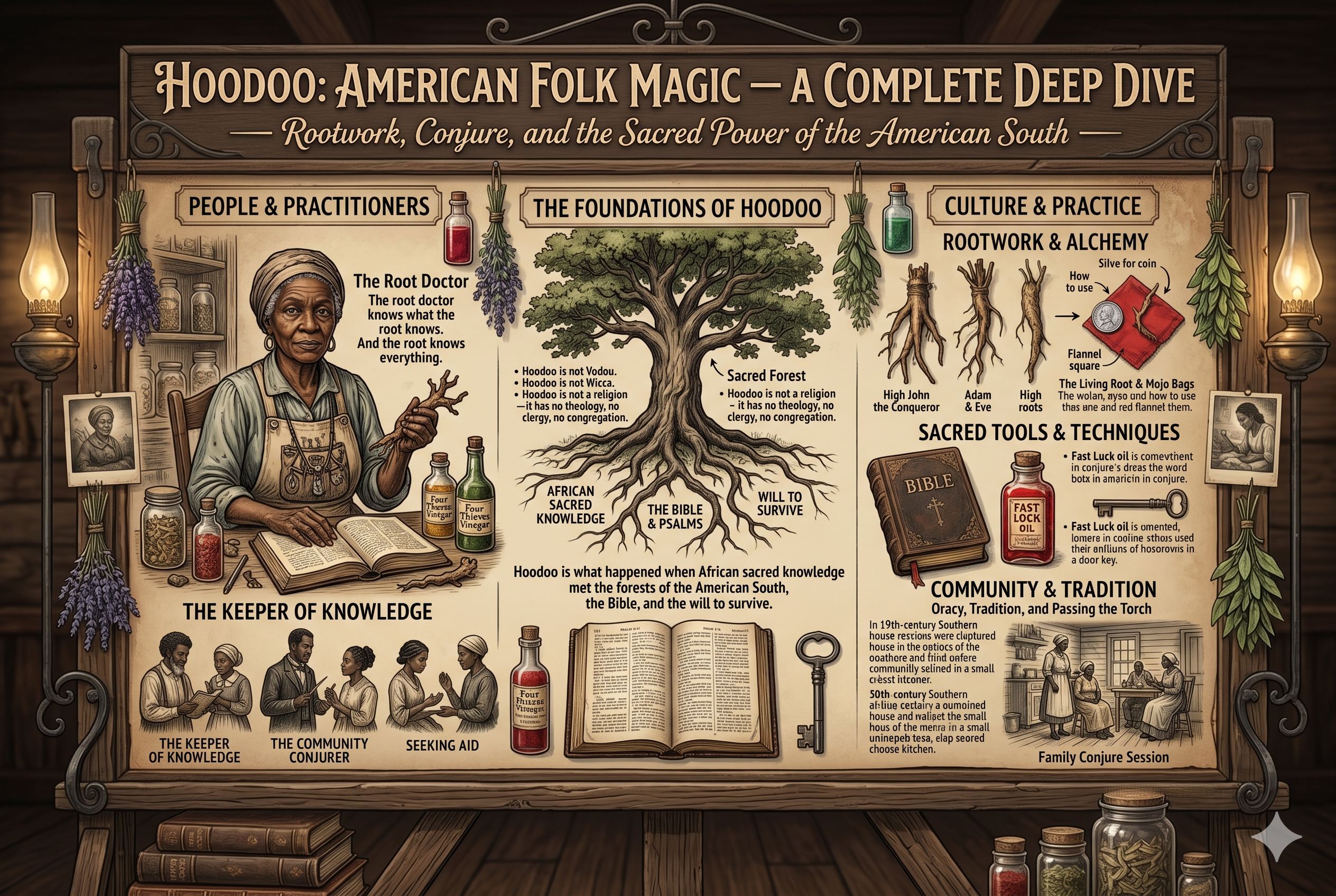
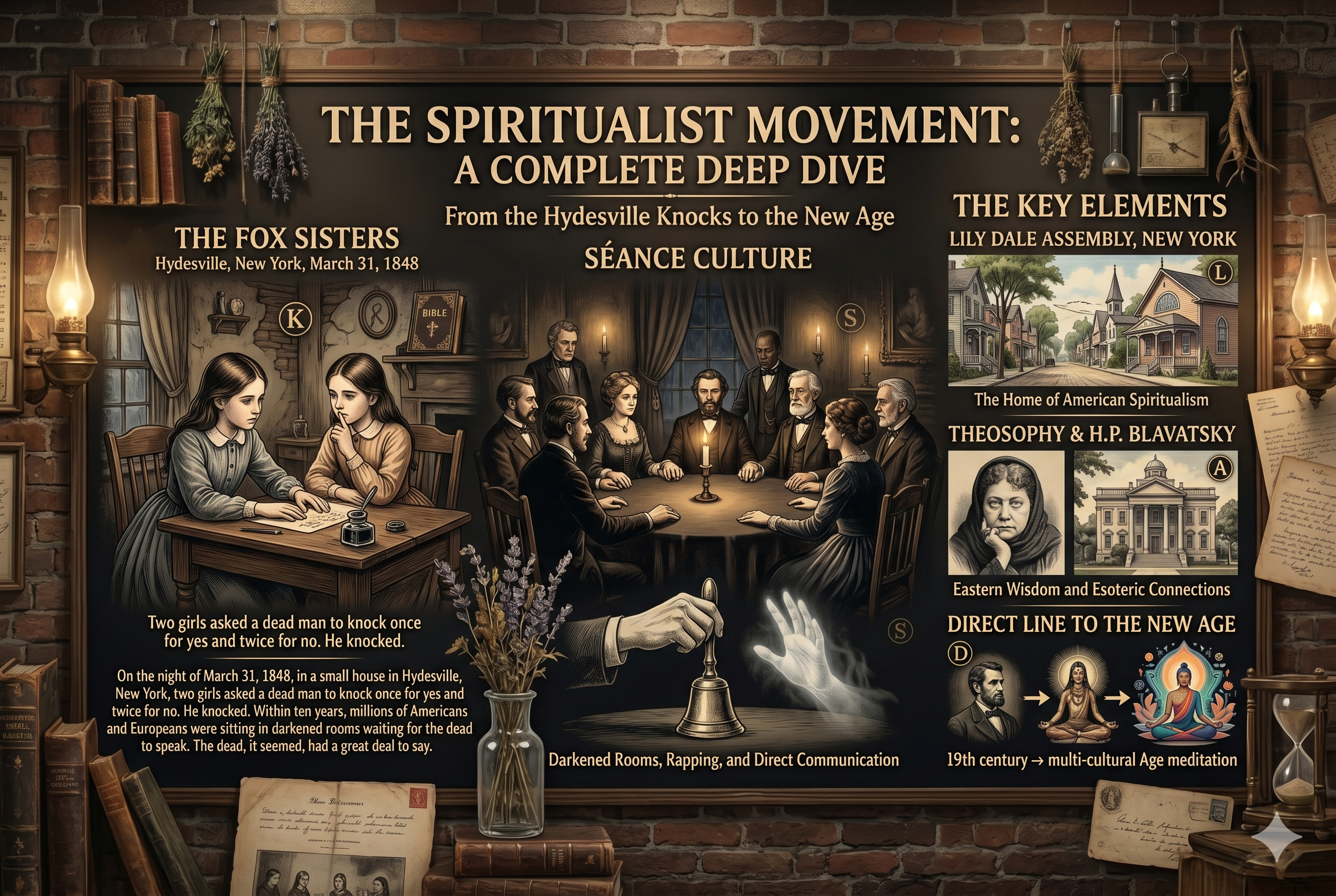
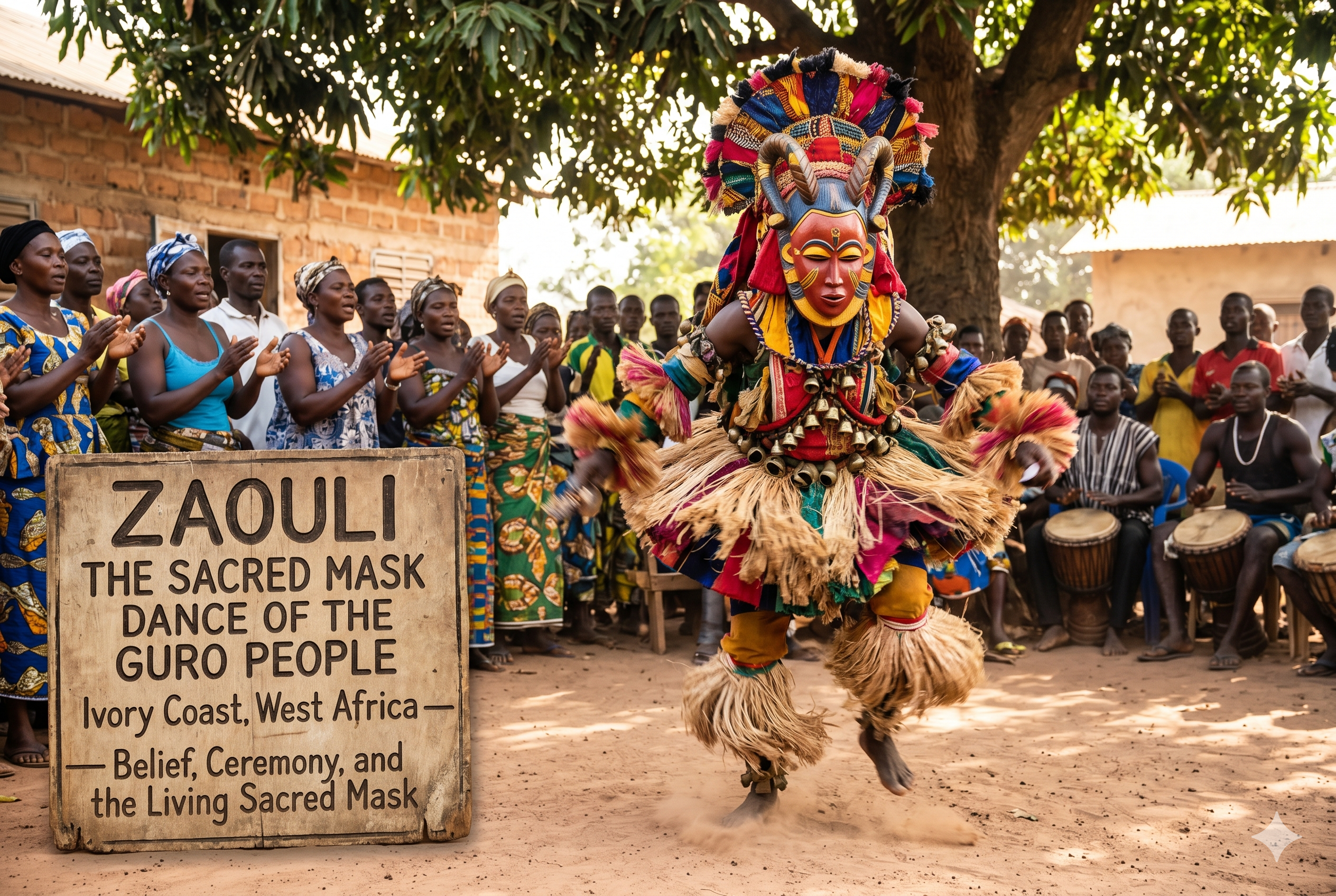
Deep-dive PDFs into the world's spiritual, philosophical, and ritual traditions.
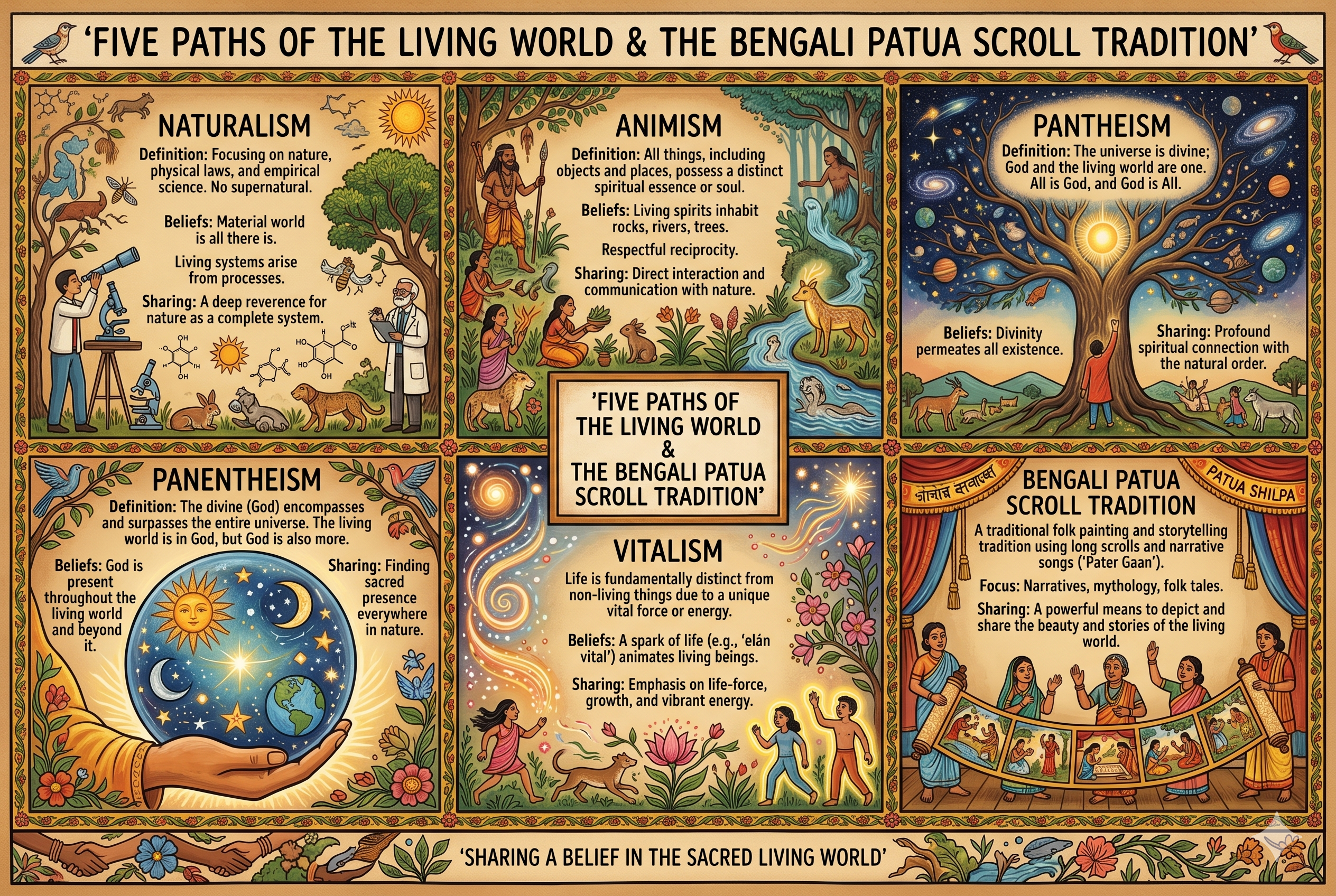
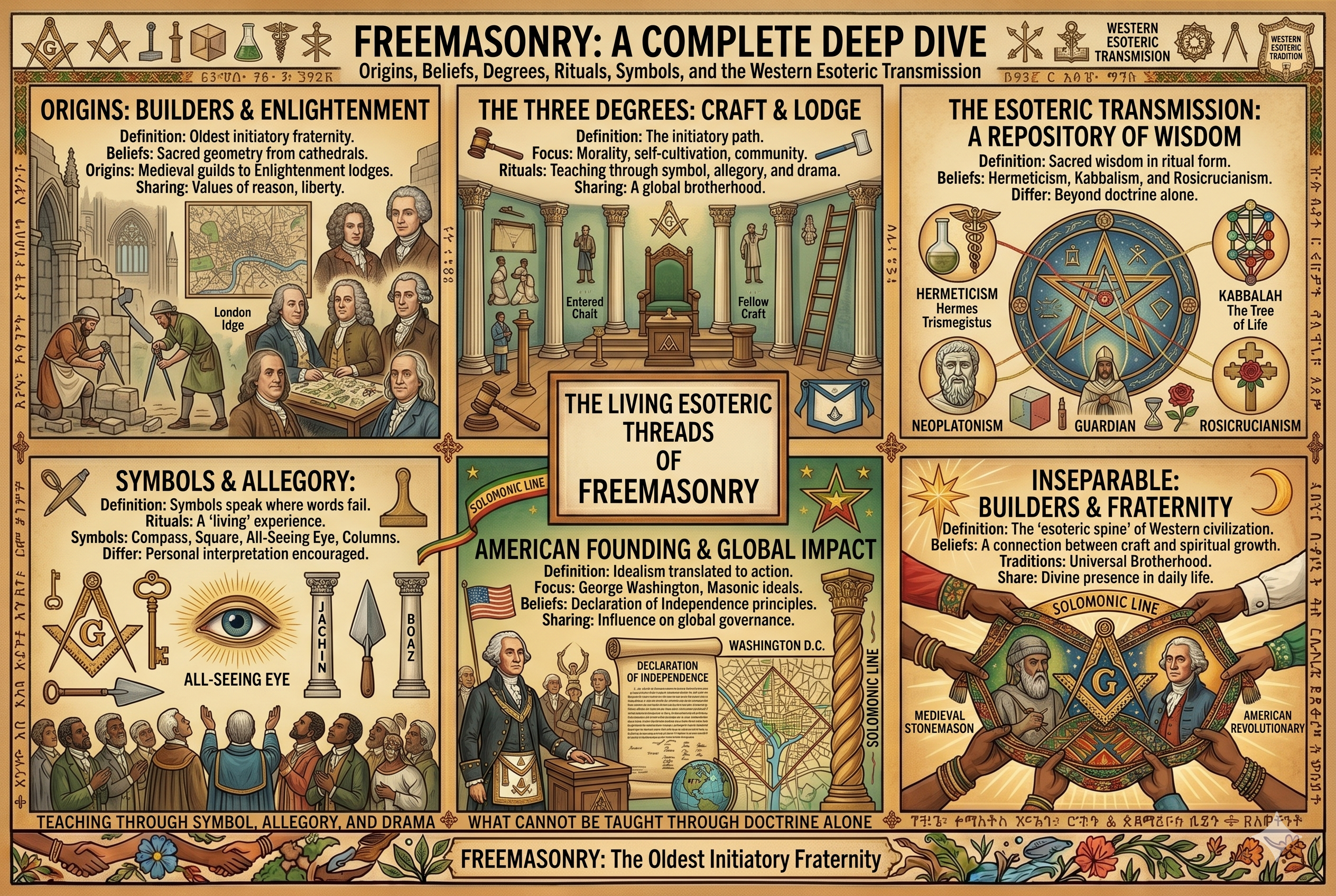
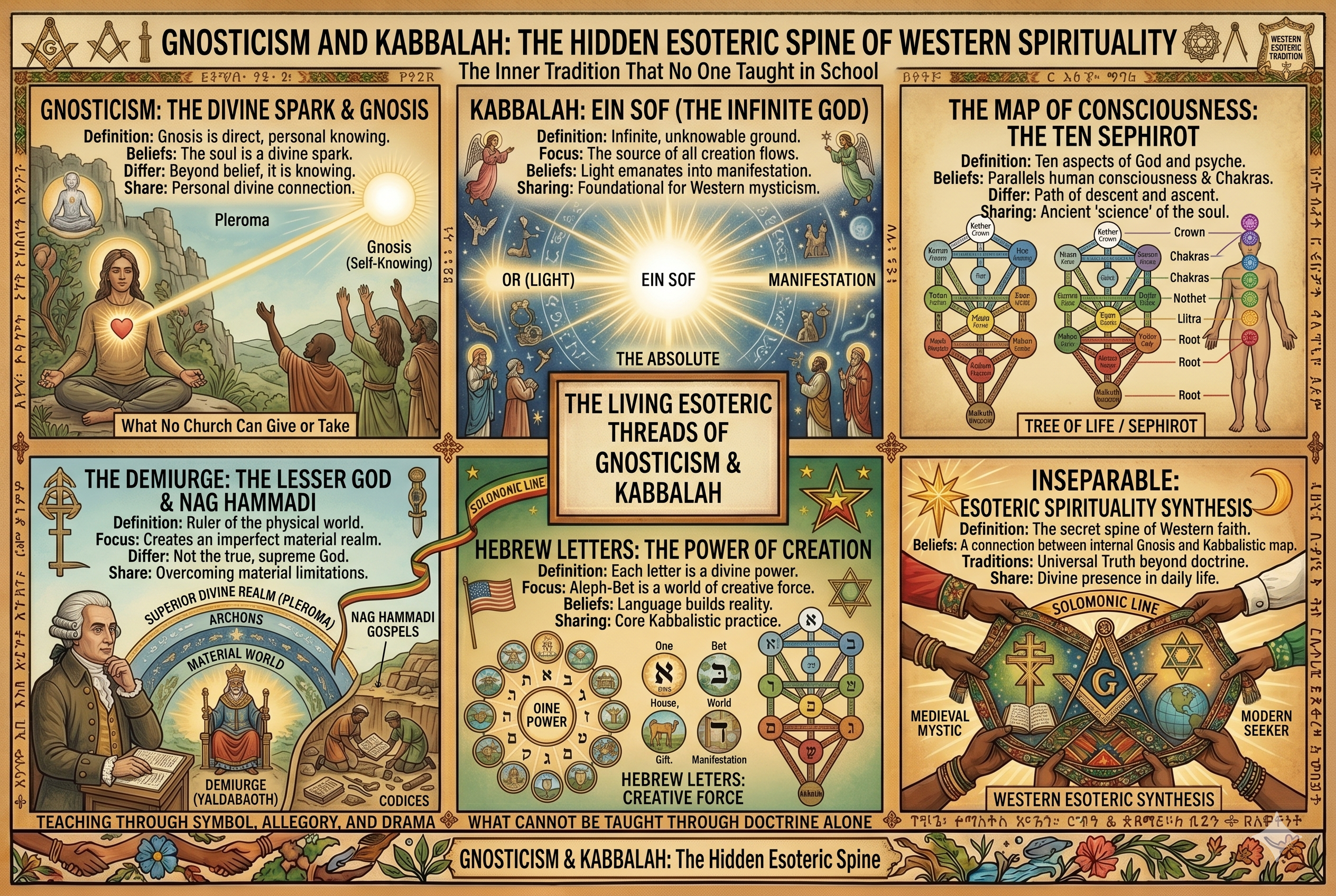
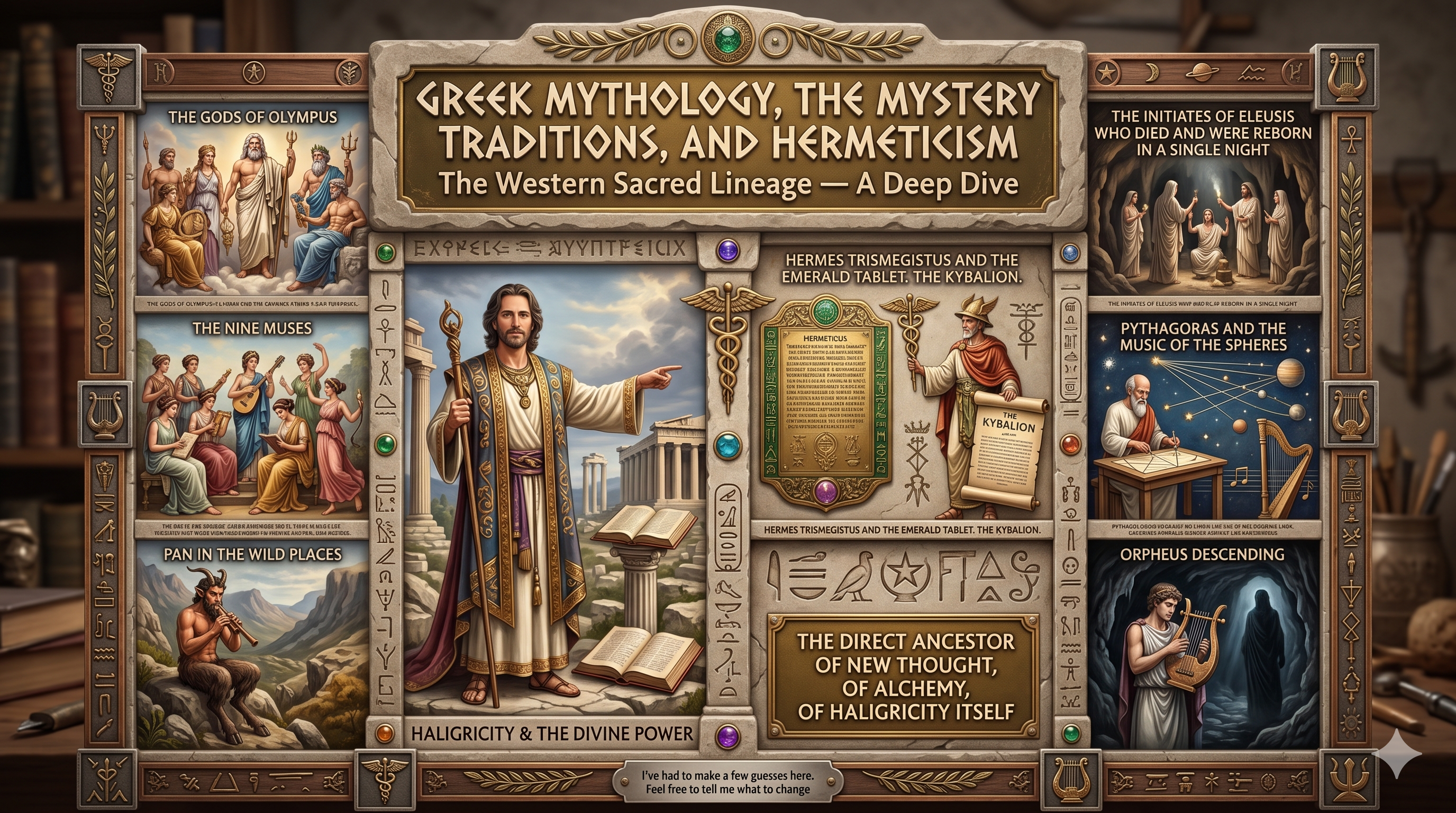
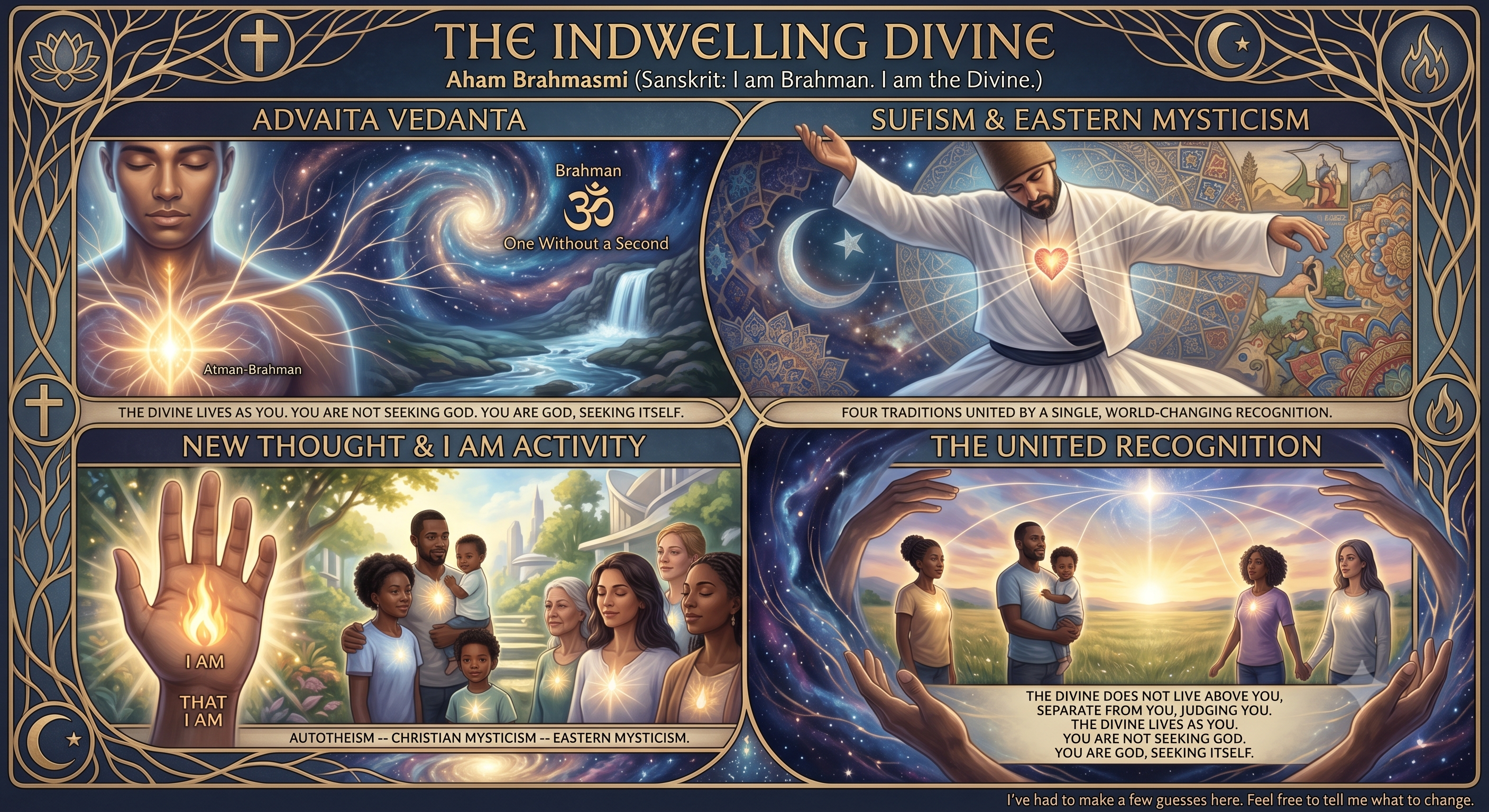
As above, so below. The deities and divine figures in these texts are not distant — they are mirrors. By focusing your intention and following the rituals, you tune into a piece of yourself that exists on another plane. These gods are versions of what you already are. Please use anything you find in these readings and integrate it into your own practice as you see fit, or as you feel called to do so.
Browse the full collection below, or explore by region using the History menu above.
Australia · Aboriginal
Australian Aboriginal Beliefs, Rituals & Traditions
Indigenous Americas
Blackfoot Confederacy — Siksika, Kainai, Piikani
China · Philosophy
Mohism — Universal Love & the Forgotten Philosophy
Indigenous Americas
Navajo (Diné) Beliefs, Traditions & Rituals
China · Shamanism
Wu — Chinese Shamanism Between Heaven & Earth
After your research, you may want to visit temples —
We have compiled Temple Guides to help with this journey →
Physical instruments that support
the Haligric practices — sound, energy, and earth medicine.
Don't see your region or tradition in the History Collection? Let us know — we research and add new deep-dive guides regularly.